

More posts
All →Prompt-injection bumper stickers
Prompt injection is climbing out of the chat box and into the physical world. Print an adversarial instruction big enough for a camera to read — on
Words mean things
If the AI era teaches you anything, let it be the lesson that words mean things.
Slopdemic, Not Vulnpocalypse (Yet)
I joined Sherrod DeGrippo on the Microsoft Threat Intelligence Podcast this week to talk about how AI is reshaping vulnerability research, disclosure, and patching. It was
My Clanker Setup
A mate messaged me this week asking whether I'd ever written up my clanker setup: which harness I run, which models, what hardware, and

AI Didn't Break Vulnerability Disclosure. It Exposed What Was Already Broken.
There's a sentence I keep coming back to from a conversation Josh Bressers and I had recently on Open Source Security: we'd
The Hitchhiker's Guide to Bug Bounty and Vulnerability Disclosure in 2026
Post-Mythos vulnerability disclosure: a 2026 field guide for vendors and researchers on AI-era bug bounties, slop triage, and rebuilding ecosystem norms.

Coordinated, Until It Isn't
Everyone has a take on Moksha's 89-vuln XAPI drop. Almost everyone misses the same thing: it wasn't one decision, it was four: go public, go Day-0, withhold patches from Citrix, lean into the "shittrix" frame. Coordinated disclosure runs on goodwill, and the goodwill runs out sometimes.

Auditing My 2026 Security Predictions: Five Months In
Back in December I made eight predictions for what 2026 would bring in security. We're four months in, so it's time to
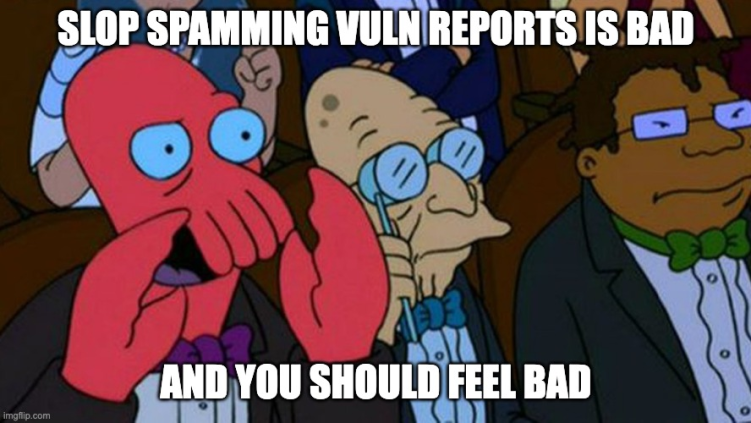
Thoughts on the #slopdemic
Move over #vulnpocalypse — there's a new term we need to talk about: the #slopdemic. AI didn't invent low-quality vuln reports, but it just turbocharged them, and F/OSS is drowning.
The "irrational asymmetry" in threat behavior
We've traditionally thought about defense through the lens of a financially motivated attacker or a nation state — predictable rewards. Open it to everyone and
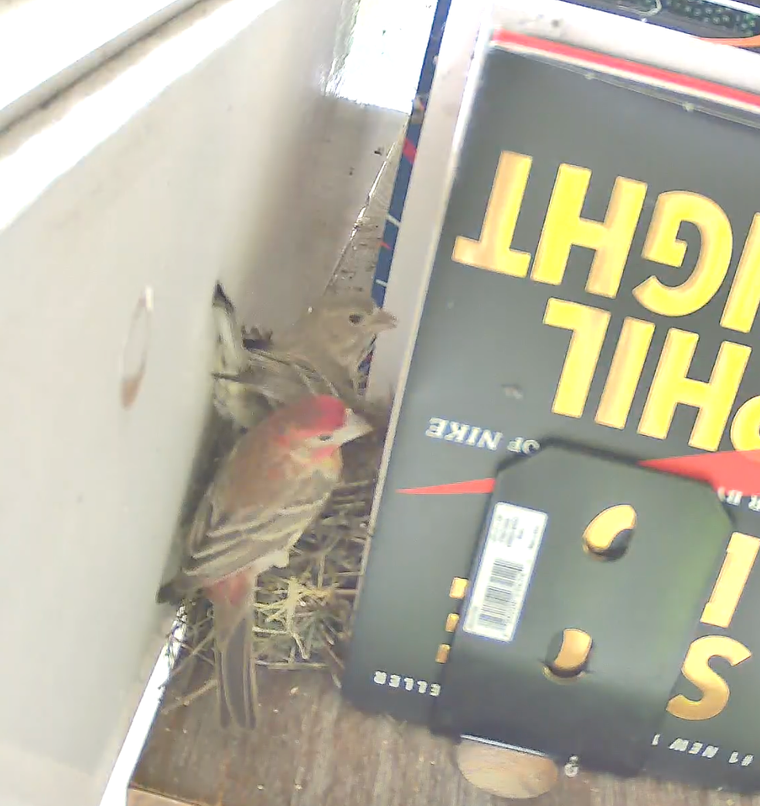
Continued Monitoring of the Situation
Week two of an AI-powered House Finch nest monitor: four model biases, a Wyze cam back from the dead, and a full pipeline rewrite before the eggs hatch.
The top five turtles in a stack of 50
AI defense and code review get the funding, but hospitals still run XP and Ivanti falls over weekly. The security industry is ignoring 45 of its 50 turtles.