

ETSI already says shall. Now say what's in it.
 Casey Ellis · · 6 min read
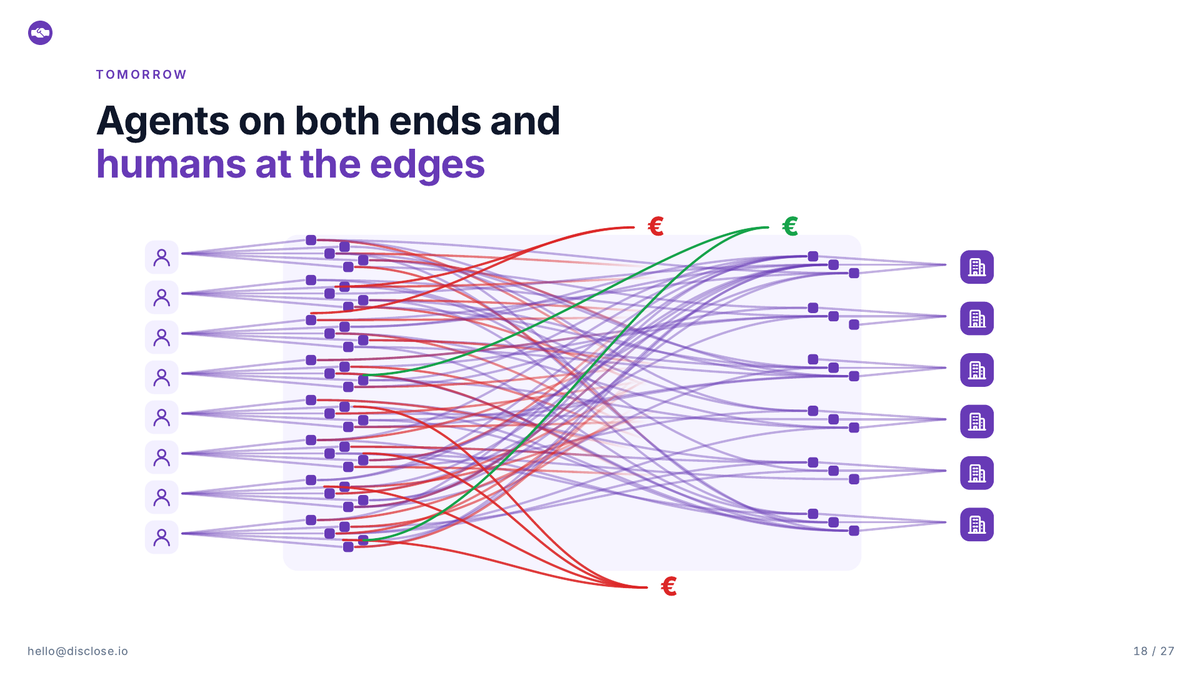
At 2am on Monday 19 October I gave a keynote at the 20th ETSI Security Conference from a quiet house in California... The patchpocalypse (or Patch2Panic, if you prefer) kicked off pretty much the next day.
The slide above is the one I'd put on a billboard: tomorrow it's an agent on the finder's side talking to an agent on the vendor's side, with humans at the edges where the judgment calls live. I didn't expect the week to hand me the case study quite that quickly...
What happened
PHP2Shell is two bugs in PHP that have been sitting there since the PHP 5 days, and they give unauthenticated remote code execution. The CVE numbers leaked on a forum on the Tuesday (yep, the day after the talk), PHP brought the fix forward to the Wednesday, and Cloudflare counted millions of exploit attempts in the hours after.
Compare that with eMudhra the weekend before: one researcher, four browser root programs with a written rule book, and the weak CA keys were blocked within hours.
Why it matters
Coordinated disclosure assumes the finder is the only one who knows. PHP's advisories credit four reporters, three of those reports landed inside the same fortnight, and Amazon says a honeypot saw an exploit attempt three days before the leak... so that's a pretty shaky assumption these days.
What I asked ETSI for
ETSI already says "shall" - EN 303 645 and EN 304 223 both require a public vulnerability disclosure policy. Of the 9,565 European entries in the disclose.io directory, 92.5% stop at a contact address and only 6.1% offer any safe harbor.
Three things:
- Say what goes in the policy, safe harbor included, and what happens when two people find the same bug.
- Make the front door machine-readable, and tell the people downstream when they're not getting a fix.
- Set intake norms for AI-assisted reports: reproduce it, show impact, and treat a second report of the same bug as the signal to shorten the timeline.
None of that is ETSI-specific btw, and everything disclose.io makes for it is open source and vendor-neutral. I'd rather see it lifted into the standards work than sitting on a website looking pretty.
Later in the week I sat on an IST panel with Jen Ellis, Katie Moussouris, Art Manion, Cynthia Kaiser and Nick Leiserson to unpack it all. It's an hour, if you want the long version. Enjoy!
IST Center for Advancing Cybersecurity panel, 23 October 2026: PHP2Shell, eMudhra and Storm-0940.
The deck is below, minus the appendix. If I sounded at 11am Sophia Antipolis time like a man who had been awake since 1am, that is because I was.
Comments ·
members only