Thinking
The Hitchhiker's Guide to Vulnerability Disclosure in 2026
Post-Mythos vulnerability disclosure: a 2026 field guide for vendors and researchers on AI-era bug bounties, slop triage, and rebuilding ecosystem norms.

First principles and philosophy: mental models, worldview, frameworks for understanding
Thinking
Post-Mythos vulnerability disclosure: a 2026 field guide for vendors and researchers on AI-era bug bounties, slop triage, and rebuilding ecosystem norms.
Security
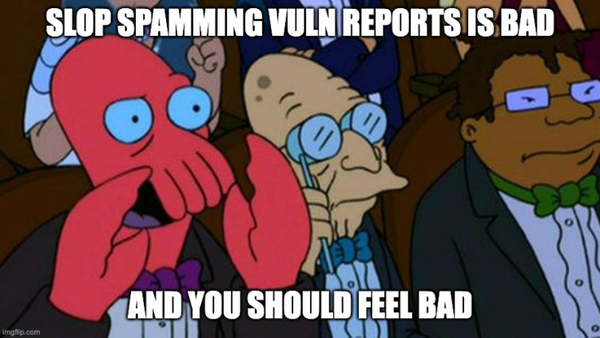
Move over #vulnpocalypse — there's a new term we need to talk about: the #slopdemic. AI didn't invent low-quality vuln reports, but it just turbocharged them, and F/OSS is drowning.
Thinking
AI defense and code review get the funding, but hospitals still run XP and Ivanti falls over weekly. The security industry is ignoring 45 of its 50 turtles.
Thinking
A speculative proposal: cryptographically enforced vulnerability disclosure using a drand-triggered dead-man switch to make CVD fallback dates unbreakable.
Hot Takes
Mythos as a tactical Anthropic marketing play against OpenAI — and why open-weight models already made the world-ending case before any of it landed.
Hot Takes
A short reaction to Firefox's claim that AI-found defects are finite: security-focused test-and-fix is basically QA wearing a fancier hat.
Thinking
The real security problem isn't AI slop — it's that vulnerability research and the broader industry can't prioritize what actually matters in the noise.
Thinking
The AI move in vulnerability research isn't prompting from scratch every run — it's using AI to build deterministic scanners, fuzzers, and analysis pipelines.

Thinking
AI makes security verification cheap, putting two decades of checkbox compliance, paper pentests, and audit theater under sudden economic pressure.

Thinking
2026 cybersecurity forecast: China's PLA centenary looms, AI turns anyone into a malware developer, and economic pressure pushes more people toward cybercrime. Shift-left finally start working—but only for modern code. The rest of the internet? A triage trash fire.
Thinking
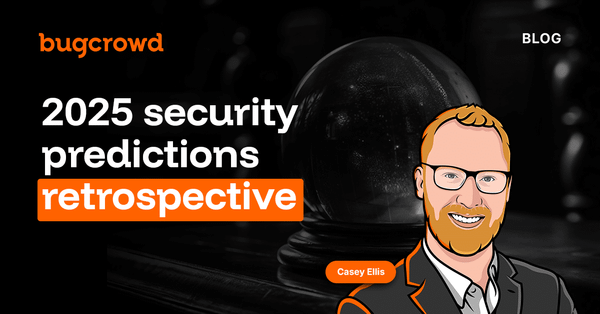
This time of year, everywhere you see, security guys like me are sharing our hot takes for the year ahead. However, reflecting on the past year is equally important. I like to see how my previous predictions held up and how things actually played out.

Thinking
Here's the bigger question: If we do finally achieve 100% success in automating cyber defense, will the "bad guys" pack their stuff up and go home?