
Vulnerability economics
* Every vulnerability costs something to put there. * Every vulnerability costs something to discover. * Every vulnerability costs something to fix. * The exploitation of every vulnerability has a value associated with it.

hacker/hustler. chairman/founder/cto @bugcrowd and cofounder @disclose_io. husband, dad, musician, believer. pioneer of crowdsourced security as-a-service.

* Every vulnerability costs something to put there. * Every vulnerability costs something to discover. * Every vulnerability costs something to fix. * The exploitation of every vulnerability has a value associated with it.
Policy
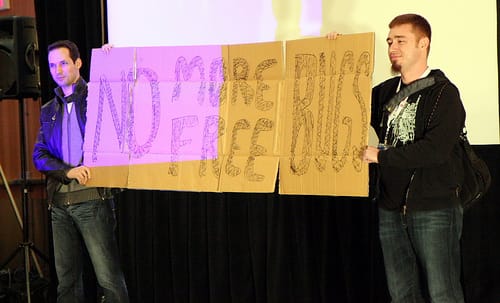
There's a fresh conversation happening about the distinction between bug bounty programs and vulnerability disclosure programs. This is an area where the distinction between a bug bounty program (cash or cash equivalent proactively offered to the public) and a vulnerability disclosure program (which can optionally offer a thank-you
Building
Last Saturday Jan 31 was my last day "inside the tent" at Bugcrowd.

Security
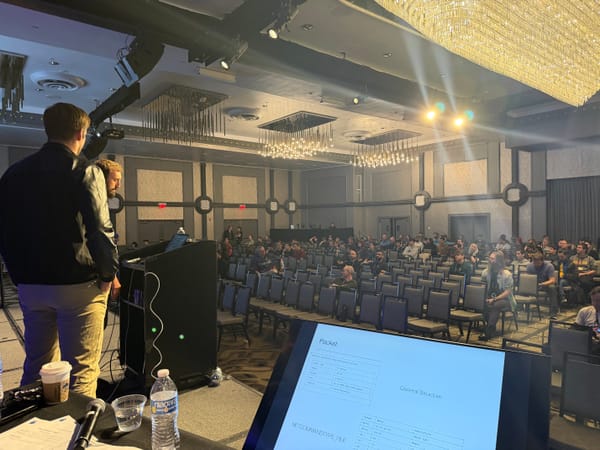
Notes from judging DistrictCon's Junkyard Year 1 — a Pwn2Own-style exploit contest targeting end-of-life devices. Disco balls, DNA sequencers, gym treadmills, and self-propagating game worms. Includes exploit chain diagrams for all eleven talks.

Thinking
2026 cybersecurity forecast: China's PLA centenary looms, AI turns anyone into a malware developer, and economic pressure pushes more people toward cybercrime. Shift-left finally start working—but only for modern code. The rest of the internet? A triage trash fire.
Thinking
This time of year, everywhere you see, security guys like me are sharing our hot takes for the year ahead. However, reflecting on the past year is equally important. I like to see how my previous predictions held up and how things actually played out.
Thinking
Here's the bigger question: If we do finally achieve 100% success in automating cyber defense, will the "bad guys" pack their stuff up and go home?

A little photo diary of Hacker Summer Camp 2025.
Thinking
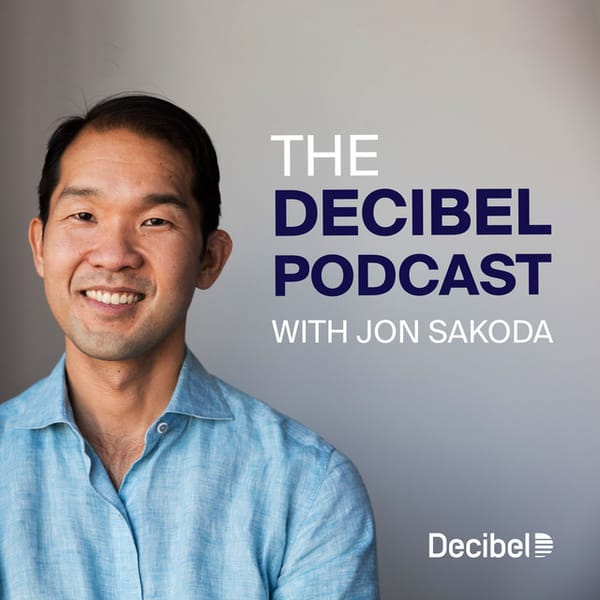
On today’s episode, Jon Sakoda speaks with Casey on the early economics of paying people to hack companies, criminal creativity, and why founders need to fix their known vulnerabilities.
Building
The sticking point is the word "free". If you do happen to get stuck there (and a lot of things will push you in that direction), a lot of the magic in the decision math gets missed. Everything has a Give and a Get and, if you're doing it right, nothing is ever given away for free.

Building
A solution disconnected from it's problem isn't actually solving anything.